Minerva Magazine offers a sample of projects by sophomore, emerging researchers in the Residential Colleges. Articles are written by students in the Capstone Courses of the Ashby and Strong Residential Colleges. Below is a repost from Minerva Magazine 2018.
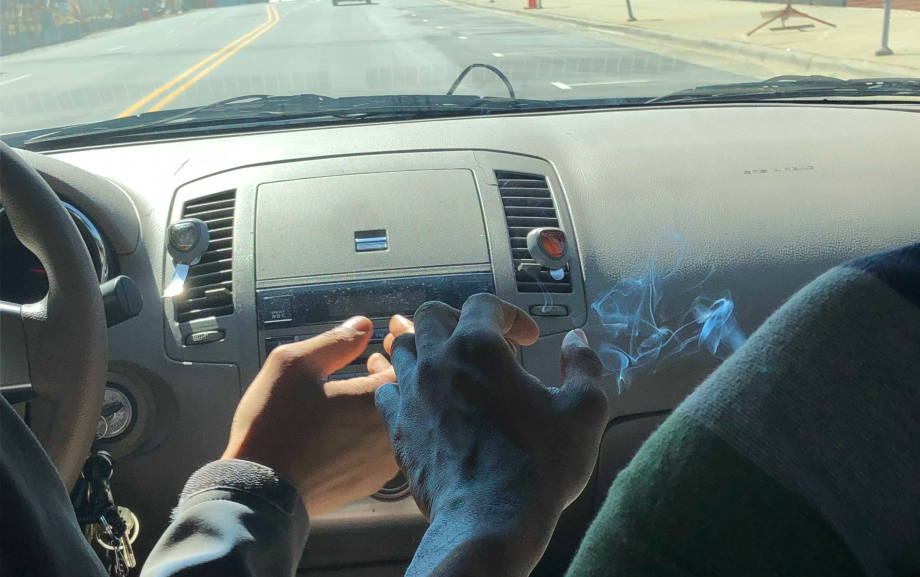
The decriminalization of marijuana usage in some states has been in effect for some time now; however, the rates of incarceration remain significantly higher in the African American communities around the country regardless of the law. Breeana White researchers the negative impact on the African American community and the racism that is present when enforcement officials target minority recreational users, especially the youth. For Breeana, this is a very personal topic as she has seen firsthand the result of high rates of incarceration in her home town of Charlotte, North Carolina, and its effect on her community. She has seen people she grew up with and known for many years be taken away due to recreational marijuana use. Breeana’s passion is to help people, especially those who have been victims of the legal system; this is no different. She believes this topic is not discussed enough and is certainly not addressed in the public eye. It is her hope that through this research she can make people aware of the problems that people in her community, and other communities like hers, are facing.
While Breeana herself does not recreationally use marijuana, she is concerned about this topic because of her interest in social justice, and she is speaking out against one very specific claim, that decriminalization has cured racism. “I am an African American female youth, and this is something that affects people in my culture and my society directly. Again, I want to emphasize the fact that I am not personally a user, but because I know people in my community who are users and have been affected by incarceration, I am able to bring a unique perspective into the research, not as a user, not as an outsider, but as a member of a community that is affected the most.”
Breeana explains, “I am researching the targeting of African American youth, youth that are around my age. I can draw on my own experiences and observations from my community, but I am also able to include perspectives from a college student.” Her research into the history of this issue traces as far back as the 1937 Marijuana Tax Act (supported by wealthy families whose businesses were threatened by hemp production) that stated marijuana caused violent behavior and the use by “non-whites corrupted the white population.” Since then, billions upon billions of dollars have been spent on the American War on Drugs. It was not until 2012, when Colorado allowed the restricted sale and use of marijuana to those above the age of 21, that attitudes started to shift.
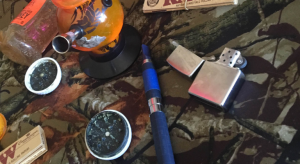
Even with the legalization in Colorado, California, Oregon, Nevada and other states, the incarceration of African Americans remains higher than that of Whites. “Today,” Breeana says, “Whites and Blacks use illicit substances at about the same rate, yet it seems that African Americans are more prone to being arrested than their white counterparts. In Colorado, overall arrests made for marijuana have fallen, but African Americans are still arrested at a higher rate.” Breeana also says that “while the sale and use of marijuana is restricted at 21 years and older, the majority of African Americans arrested are of color and under 21, and are also male.” Breeana extended her research by interviewing several local people who she knew used and dealt marijuana. These people are all in their late teens or early twenties, and she had a bit of culture shock. “I had not realized just how normal it was for some people to smoke and deal marijuana. They know when to use it, when not to, and they are careful, but they do not seem to be scared. To them, smoking is like anything else, it’s a social activity that brings people together; it’s something that can be done in lieu of a sit-down meal, or watching a game.” Breanna interviewed a dealer and asked if the decriminalization in some parts of the country eradicated components of racism. She found that it had not, and in states where it was now legal, the overall arrest rates were lower, but the ratio of whites’ to blacks’ incarceration stayed just about the same. Large parts of the legal marijuana industry are white owned, and white customers have a disproportionately larger market access rate to marijuana in comparison to minorities. With this being said, her research also revealed that minorities were largely buying and selling in the illegal market, which gave them a higher risk of being arrested. Economically speaking, the legalization of marijuana has been very good for the overall economy, but it has become very polarizing. The cost of marijuana and the ownership of stores have favored people who are willing to spend more money to get it legally. This means that the lower income areas, specifically the lower income minority areas, suffer as a result.
Through her research, she has found that there is no one particular answer to this problem. Apart from her passion for social justice, she stated that “I wanted to research this because this is something that needs to be talked about and something that needs to be addressed.” Breeana believes that many of these situations can be avoided through reform and education. Before her research began, she did not understand the complexities of marijuana use in the African American community, and she wants others to understand that as well.
Breanna believes if more people knew about the complications of the marijuana industry and its effects on society, economy, and culture, then people would want to work toward change. The targeting of minority youth is something that affects everyone. “The youth are the future, the youth are the innovators, and the youth are the changers,” says Breeana. Without them, what are we? And what is our future as a society?”
By Sohm Gough
Repost from Minerva Magazine 2018
The URSCO blog helps UNCG’s undergraduate scholars share their work and impact with the world. Interested in sharing your work? Contact URSCO Director Lee Phillips at plphilli@uncg.edu or Office of Research and Engagement Media and Communication Manager Sangeetha Shivaji at s.shivaji@uncg.edu.